

Musicians have to struggle with extremely loud noises on a day to day and we’re so used to it that we tend to be unaware of the damage we are causing to ourselves. Studies have shown that musicians are at a high risk of experiencing hearing loss with 57% suffering from tinnitus. I want to discuss how to avoid auditory damage and why it is so important for us to take care of our ears.
The Importance of good ear health
As musicians, our ears are one of our most valuable assets. From pitch accuracy and tuning to picking up subtle differences in tone and dynamics, we are constantly relying our hearing. We’re always investing time and money into you the best equipment and instruments but we always forget to take the time out to protect our ears. Unlike our other senses, our hearing isn’t something that can be easily fixed once damaged.
Hearing loss means more than not being able to hear clearly. It means misjudging volume, discomfort when listening to certain sounds and even missing cues. Our hearing doesn’t just help us listen to music, it deepens our experience of it. It’s what allows us to connect with the music we create, and with the musicians we share it with.
Common Causes of hearing loss
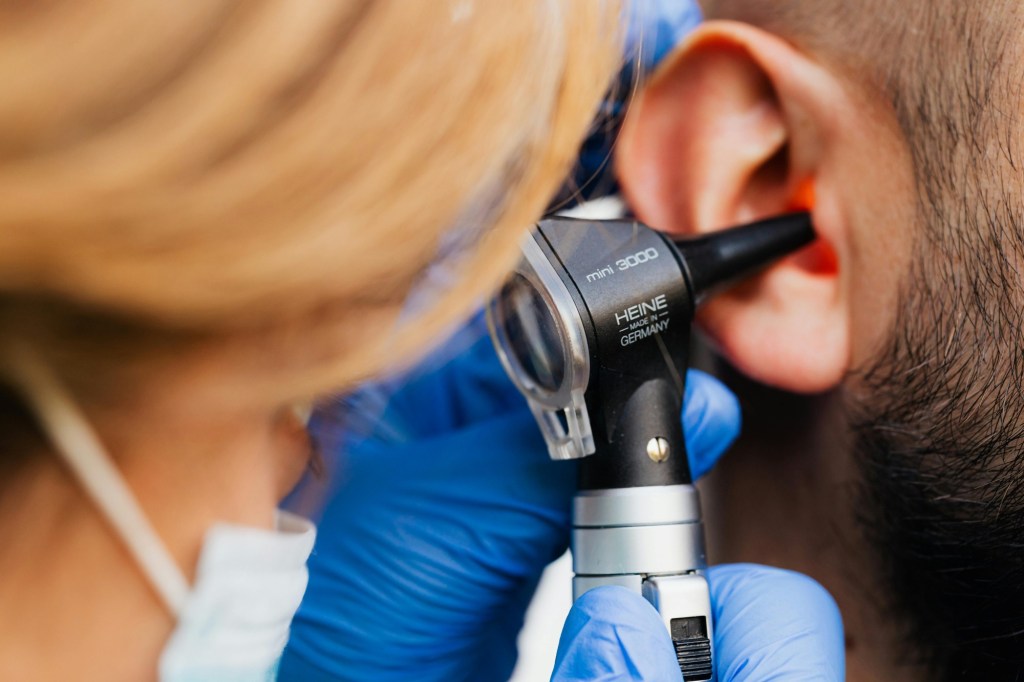
Most people tend not to notice hearing damage at first, it usually develops slowly over time. For some people, it might begin with a ringing in the ears after a loud rehearsal. For others it could be a muffled sensation after a gig. Inevitably, this issue becomes permanent and by the time we realise something is wrong, it’s too late. Whether you’re on stage performing, or in the studio, we are constantly exposed to high volume levels, it’s no surprise that this is one of the main causes of hearing loss. Long exposure without protection puts your ears at serious risk.
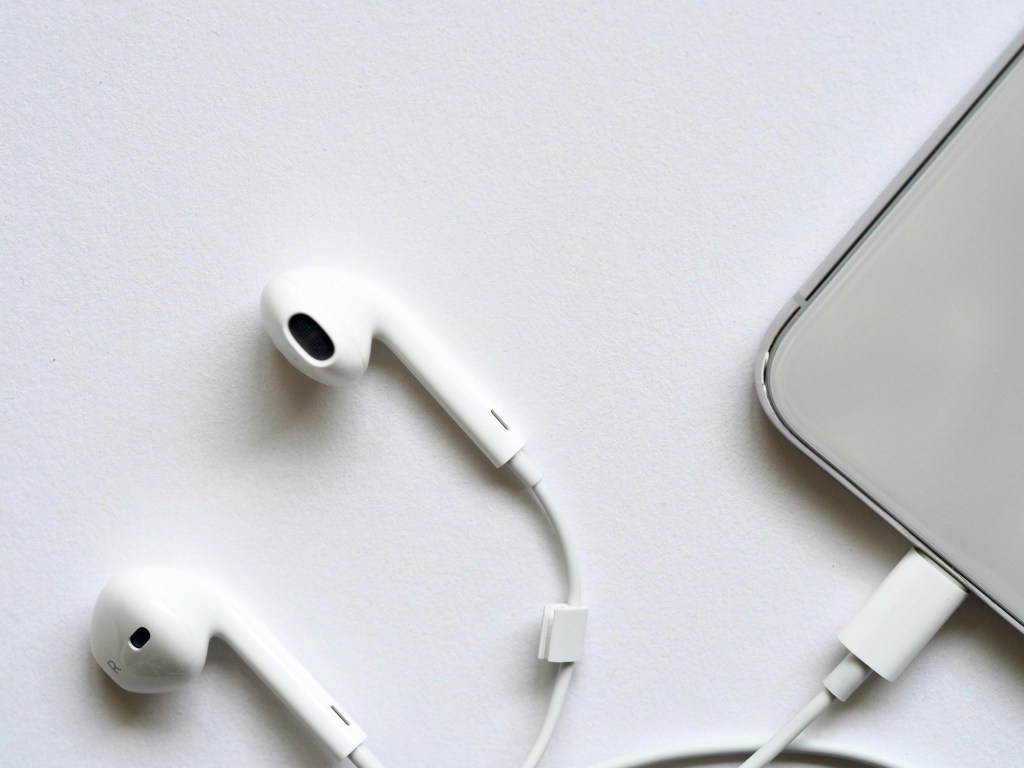
Another major factor is the use headphones and in-ear monitors. This is a huge problem because headphones send sound directly to your ear canal at close proximity. So if you think the volume of your headphones is “normal”, you could be setting yourself up for serious damage in the future. I can admit that I have had my headphones turned up too loud at times, disregarding the amount of damage that it’s causing.
Signs/ symptoms and how to prevent it
One of the most common early symptoms of hearing loss is tinnitus. Tinnitus is a ringing, buzzing, hissing, or whistling that comes from inside your ears and not from an outside source. At first, the ringing or hissing might come in temporary spells but after some time, it can become more constant and possibly begin interfering with sleep and focus.
Another common symptom is a dull perception of sound. In this instance, you might find yourself feeling the need to turn the volume up more than usual. Some musicians also suffer from a condition called Hyperacusis. This is when you’re sensitive to certain sounds or frequencies. This often leads to where everyday becomes uncomfortable or maybe even painful.
So how can we prevent this? One of the most simple methods is lowering headphone volume. A common rule for this is the 60/60 rule. 60% volume for no more than 60 minutes at a time. When performing or attending a loud event, earplugs can be one of the most effective tools to prevent hearing loss. Musicians grade earplugs are specifically designed for this reason and can help reduce volume without distorting sound quality. Taking breaks and getting regular hearing check ups are also recommended to ensure that your hearing is in good shape.
Understanding what causes hearing damage is the most important step when incomes to preventing it. Taking care of your hearing is a long term investment. It is just as important as taking care of your instrument. We put so much work into developing our skills but none of that matters if we don’t take care of ourselves.


What do you think ?!